For many movie and TV enthusiasts, the performers we witness on screen often become an integral part of our lives. Throughout the countless hours we spend cozied up watching our favorite films, we become incredibly familiar with their appearances. Even though we don’t personally know them, it’s easy to feel a certain bond with someone we’ve grown up watching.
Because of the parasocial connections we unconsciously form with our beloved celebrities, the web has become especially disturbed by noticeable alterations in the faces they’re most accustomed to. Consequently, Jim Carrey, along with former child actors like Selena Gomez and Ariana Grande, have encountered a barrage of cloning allegations—with aficionados maintaining that extreme facial changes can only logically be attributed to stand-in replacements.
Despite the unending rabbit holes, the other side of the web has arrived at a more rational explanation for the inconsistencies: a few likely aesthetic surgeries combined with decades of aging. As fans continue to ridicule each celebrity under the sun for having cosmetic surgery—in the same breath, online debate has shifted to sheer skepticism over faces naturally aging over time. 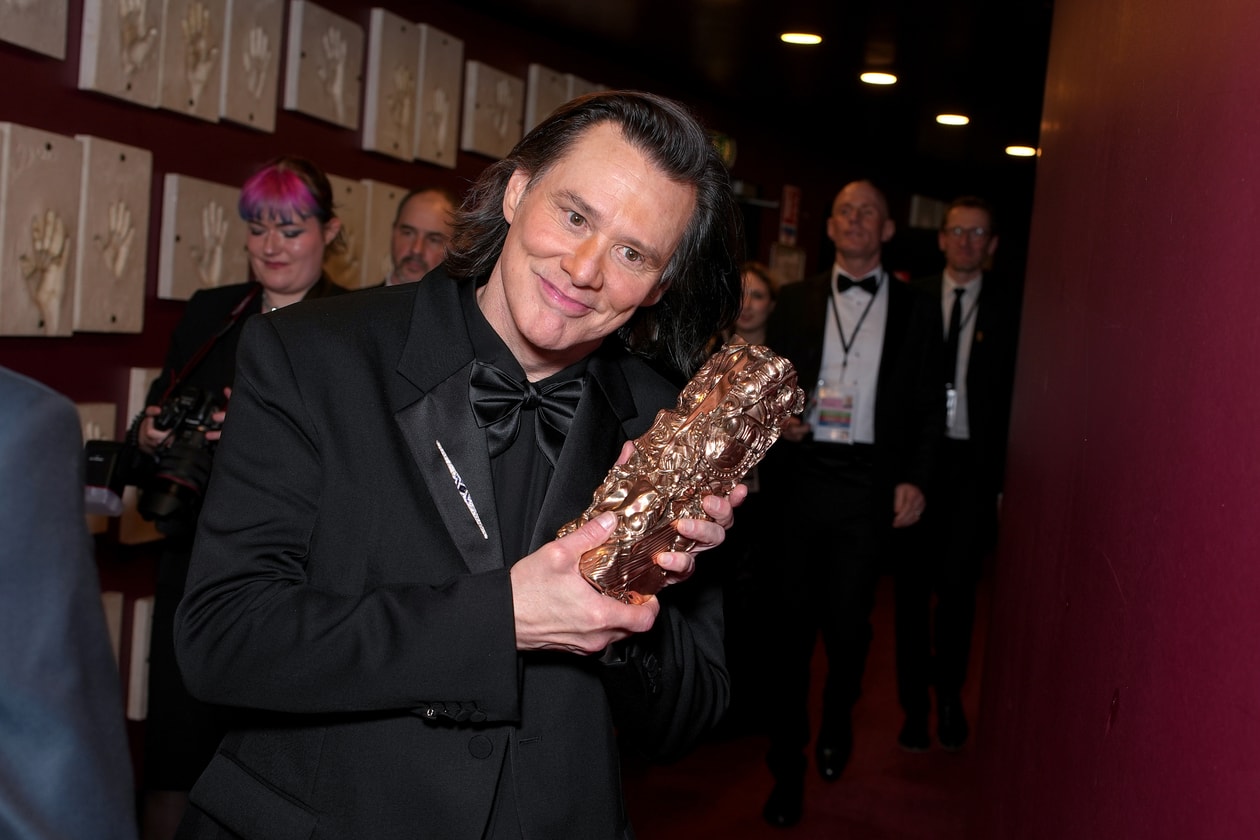
As preposterous as the web cloning theories are, they undoubtedly convey our underlying fixation on celebrity faces. Whether it’s due to natural aging or beauty procedures, spectators never respond positively to stars abruptly looking different. For specialists in face recognition, the instinctual response to these modifications is purely becauseof how we instinctively store well-known faces in our memories.
“you bump into a person whom you frequently encounter, yet with their hair down for the initial time, or donning cosmetics in a substantially different manner, it can take a moment to adjust.”
I’ve noticed that stars aren’t allowed to age… one sign of aging and the tin-foil hat community says they’ve been cloned or replaced or whatever 🤣 Jim Carrey is supposedly not Jim Carrey anymore 🤨🤣
— Andythered83 (@AndyGni) February 27, 2026
Similarly, Dr. Mario Dalmaso from the University of Padova discovers that the prevailing fad of cloning theories stems from our inherent skill to process faces. “People are highly sensitive to how facial attributes are positioned relative to each other. Even minor changes can therefore have a substantial effect on how known or ‘genuine’ a face appears,” he states to Hypebeast. The sense of unease a mismatched face can provoke is the rationale spectators feel disconnected from an idol they once cherished — even if they’re indeed the exact same individual.
Characterized by Dr. Witkower as a “common psychological adaptation,” the digital reaction to Jim Carrey’s appearance is largely due to the fact that the public’s visual perceptions of him are being directly contested. With devotees unreasonably associating him with how he appeared in The Truman Show nearly three decades ago, it’s no surprise absurd conspiracy theories are rampant online. “If the expectation is that a person like Jim Carrey should appear exactly the same today as he did two decades ago, that’s just not realistic,” Dr. Witkower mentions.
It might be a recognized fact that our parents will exhibit visible signs of aging throughout our lives, but when it comes to stars, followers subconsciously view them in a distinct light. Rather than acknowledging that individuals in the public eye are also subject to wrinkles and other indications of aging, we anticipate them to look the same as they did decades ago — because that’s when their appearances were the most recognized. “Polarized responses to aging in stars could mirror broader attitudes toward faces as indicators of identity, authenticity and even morality. Many often expect faces to remain stable over time, even though aging is completely natural,” Dr. Dalmaso expresses.
People forget the idea of aging with celebrities. You guys want them to remain the same. https://t.co/GGOHm2KZic
— Autumn🍁🍂 (@topten_____) February 27, 2026
Apart from aging, the mere prospect of plastic surgery is known to intensify a few eyebrows in online discussions. As striking as it can be to see stars physically maturing, the idea of those taking further measures to combat aging is equally contentious among enthusiasts. While facial disparities in stars aren’t solely because of botox or operations, Dr. Dalmaso finds that the backlash can also unveil a deeper reality about the adverse bias against aesthetic processes overall, “Society glorifies youthful appearance, but simultaneously, it also reprimands evident efforts to uphold them. Since celebrities are perpetually in the public eye, they emerge as principal subjects where these conflicting expectations are voiced and amplified.”
So, whether it’s our disdain for cosmetic procedures or an unwillingness to trust that stars can also age, the cloning claims demonstrate no need to dissipate. Above all else, psychologists suggest it’s merely another reminder of the significant role faces play in how we process information — even if we aren’t consciously aware of it immediately. “This really underscores just how much appearances matter. When someone’s appearance alters in a way that contradicts what we anticipate, it stands apart. Spectators recognize it, they address it and they strive to comprehend it,” Dr. Witkower conveys.
It appears as if authenticity is becoming a thing of the past with AI blurring the line between real human faces and artificial ones. We now traverse algorithmically created influencers impersonating humans and deepfakes of stars promoting merchandise their real counterparts have never utilized. Given the desensitization to beauty filters erasing actual skin to the max, encountering natural laugh lines or crow’s feet on our beloved stars is shocking. As perfection has become an anticipation online, actual human faces can only be justified by conspiracy theories.